

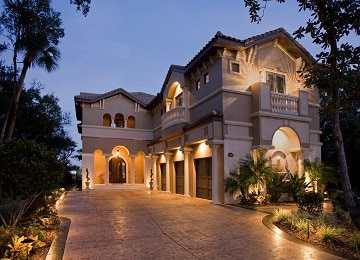


 St. Augustine (Less than 30 minutes north) – Founded in 1565, St. Augustine is America’s oldest continuous European settlement. And much of its early history is still evident today. The “Oldest City” has a 17th-century fort, old city gates, horse-drawn carriages passing along narrow streets, and a reconstructed 18th-century Spanish Quarter. For something a little different, climb the lighthouse or visit the alligator farm.
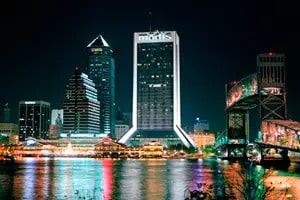 Jacksonville (Less than 60 minutes north) – Jacksonville is the largest city in the U.S. state of Florida in terms of both population and land area, and the largest city by area in the contiguous United States. Here you can take in a Broadway play at one of the theaters downtown, visit the zoo or cheer on the Jacksonville Jaguars.
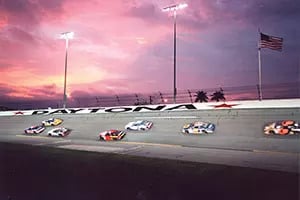 Daytona Beach (Less than 30 minutes south) – A trip to our area is not complete without a tour of the impressive 2.5-mile Daytona International Speedway, home of the Daytona 500. This area specializes in hosting major motorcycle events such as Bike Week and Biketoberfest®. The charming fishing village of Ponce Inlet and the world-class Museum of Arts and Sciences are also worth a look.
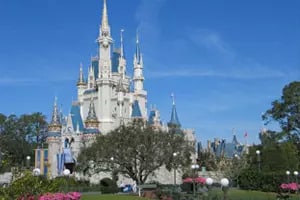 Orlando (Just over 60 minutes west) – Without a doubt, Orlando is a vacation mecca for people from around the world. The area is home to an incredible assortment of family entertainment attractions and activities such as Walt Disney World® Resort, Universal Orlando® Resort, SeaWorld® Orlando and the new Legoland® Florida.
Copy compliments of: http://www.palmcoastandtheflaglerbeaches.com/
Orlando (Just over 60 minutes west) – Without a doubt, Orlando is a vacation mecca for people from around the world. The area is home to an incredible assortment of family entertainment attractions and activities such as Walt Disney World® Resort, Universal Orlando® Resort, SeaWorld® Orlando and the new Legoland® Florida.
Copy compliments of: http://www.palmcoastandtheflaglerbeaches.com/